
Anterior Total Hip Replacement
What Is Anterior Total Hip Replacement?
Anterior total hip replacement is a surgical procedure that replaces a damaged hip joint through an incision at the front of the hip. Also called the direct anterior approach, this technique allows the surgeon to access the joint by working between muscles rather than detaching certain muscles from the bone.
Your hip is a ball-and-socket joint, where the rounded top of your thighbone fits into a socket in your pelvis. Smooth cartilage helps these surfaces move comfortably against each other. When arthritis or other conditions damage the joint, everyday movements can become painful and difficult.
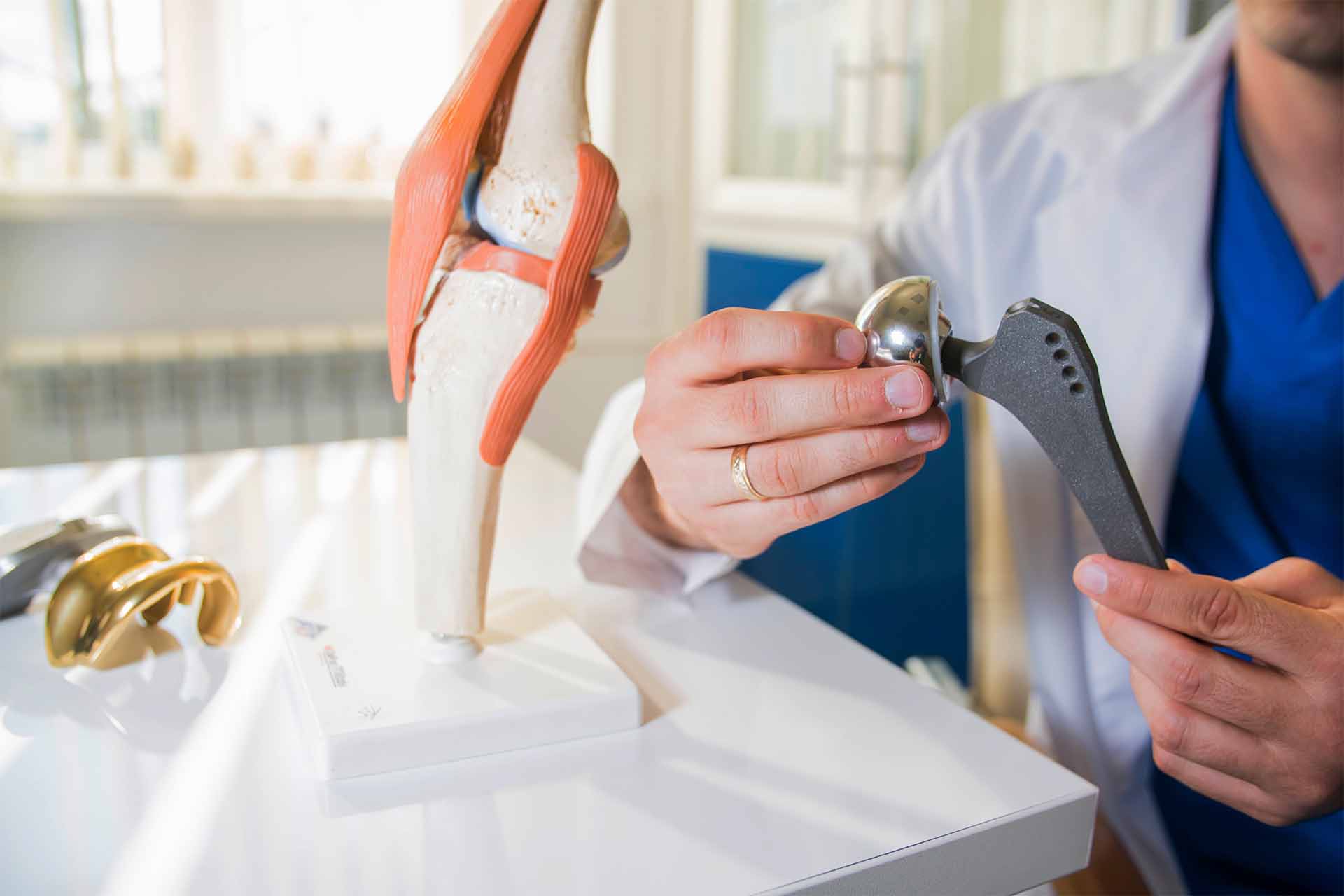
During total hip replacement, the surgeon replaces the damaged ball and socket with artificial components designed to reduce pain and improve joint function. The anterior approach offers another way to perform this procedure, with potential benefits during early recovery.
Anterior Total Hip Replacement
What Is Anterior Total Hip Replacement?
Anterior total hip replacement is a surgical procedure that replaces a damaged hip joint through an incision at the front of the hip. Also called the direct anterior approach, this technique allows the surgeon to access the joint by working between muscles rather than detaching certain muscles from the bone.
Your hip is a ball-and-socket joint, where the rounded top of your thighbone fits into a socket in your pelvis. Smooth cartilage helps these surfaces move comfortably against each other. When arthritis or other conditions damage the joint, everyday movements can become painful and difficult.
During total hip replacement, the surgeon replaces the damaged ball and socket with artificial components designed to reduce pain and improve joint function. The anterior approach offers another way to perform this procedure, with potential benefits during early recovery.

When Is Total Hip Replacement Recommended?
Total hip replacement may be an option when hip pain, stiffness, and limited mobility interfere with everyday activities, disrupt sleep, or prevent you from doing the things you enjoy. Surgery is often considered when nonsurgical treatments such as physical therapy, medications, injections, and activity modifications no longer provide adequate relief.
At OrthoNC, our hip replacement surgeons evaluate your symptoms, joint damage, overall health, and personal goals to help determine the right treatment for you. Conditions that may lead to hip replacement include:
- Osteoarthritis: The gradual breakdown of protective cartilage in the hip joint, which can cause pain, stiffness, and difficulty moving. It is the most common reason for total hip replacement.
- Rheumatoid Arthritis: An autoimmune condition that causes inflammation in the joint lining and can damage cartilage and bone over time.
- Hip Fractures: Certain fractures near the hip joint may require hip replacement, depending on the fracture’s location and severity and the patient’s overall health.
- Avascular Necrosis: Also called osteonecrosis, this condition occurs when the blood supply to the ball of the hip joint is reduced or interrupted, leading to bone damage and possible collapse.
- Post-Traumatic Arthritis: Joint damage that develops after a hip injury or fracture and can lead to persistent pain and reduced mobility.
Whether your symptoms have developed gradually or followed an injury, our team can help you understand your options and decide whether total hip replacement is an appropriate next step.
Potential Benefits of the Anterior Approach
For appropriate candidates, anterior hip replacement may offer:
Less Muscle Disruption
Accessing the joint between muscles helps preserve surrounding muscle attachments.
Less Pain During Early Recovery
Some patients experience less discomfort in the initial weeks after surgery.
Earlier Mobility
Patients may have an easier time walking and returning to certain daily activities during early recovery.
Lower Risk of Dislocation
Preserving surrounding muscles and soft tissues may help support hip stability, although dislocation remains a risk.
Recovery varies, and no single surgical approach is best for everyone. At OrthoNC, our hip replacement surgeons consider your anatomy, joint condition, overall health, and goals to recommend the approach that best fits your needs. Our team will explain your options and help you understand what to expect before surgery and throughout recovery.
Potential Benefits of the Anterior Approach
For appropriate candidates, anterior hip replacement may offer:
Less Muscle Disruption
Accessing the joint between muscles helps preserve surrounding muscle attachments.
Less Pain During Early Recovery
Some patients experience less discomfort in the initial weeks after surgery.
Earlier Mobility
Patients may have an easier time walking and returning to certain daily activities during early recovery.
A Lower Risk of Dislocation
Preserving surrounding muscles and soft tissues may help support hip stability, although dislocation remains a risk.
Recovery varies, and no single surgical approach is best for everyone. At OrthoNC, our hip replacement surgeons consider your anatomy, joint condition, overall health, and goals to recommend the approach that best fits your needs. Our team will explain your options and help you understand what to expect before surgery and throughout recovery.
Total Hip Replacement at OrthoNC
At OrthoNC, we help patients find relief from hip pain and return to the activities that matter most to them. Our experienced hip replacement surgeons develop personalized treatment plans based on your joint health, daily challenges, and goals for recovery.
From your first consultation through rehabilitation, our team takes time to answer your questions, explain your options, and help you prepare for each step. With coordinated surgical care and physical therapy, we support you as you work toward greater comfort, improved mobility, and a more active life.
Total Joint Specialists at OrthoNC
At OrthoNC, we understand that joint pain affects more than your movement; it can interrupt your routines, independence, and the activities you enjoy. Our experienced total joint specialists take time to understand your symptoms, evaluate your condition, and develop a treatment plan tailored to your needs and goals.
With nonsurgical care and joint replacement options available, our team helps you understand your choices and determine the right next step. Whether you’re exploring ways to manage pain or considering surgery, we’re here to help you move more comfortably, regain confidence, and return to what matters most.

Clifford R. Wheeless, III, MD
General Orthopaedic Surgery & Total Joint Arthroplasty

Marcus DiLallo, MD
Total Joint Arthroplasty

David Rion, MD
Total Joint Arthroplasty
Total Joint Specialists at OrthoNC
At OrthoNC, we understand that joint pain affects more than your movement; it can interrupt your routines, independence, and the activities you enjoy. Our experienced total joint specialists take time to understand your symptoms, evaluate your condition, and develop a treatment plan tailored to your needs and goals.
With nonsurgical care and joint replacement options available, our team helps you understand your choices and determine the right next step. Whether you’re exploring ways to manage pain or considering surgery, we’re here to help you move more comfortably, regain confidence, and return to what matters most.
Clifford R. Wheeless, III, MD
General Orthopaedic Surgery & Total Joint Arthroplasty
Marcus DiLallo, MD
Total Joint Arthroplasty
David Rion, MD
Total Joint Arthroplasty
Comprehensive Hip and Joint Care at OrthoNC
Take the First Step Toward Moving More Comfortably
Hip and joint pain shouldn’t keep you from the activities you enjoy. At OrthoNC, our specialists provide personalized care to help you manage pain, improve mobility, and move forward with confidence. From nonsurgical treatments to total joint replacement, we’ll help you understand your options and find the right approach for your needs.
Schedule an appointment online or call OrthoNC to connect with our team. Whether you’re experiencing new symptoms or exploring treatment for ongoing joint pain, we’re here to help.