Osteoporosis Evaluation & Treatment
PROTECT YOUR BONE HEALTH. MAINTAIN YOUR STRENGTH. LIVE WITH CONFIDENCE.
Osteoporosis Evaluation and Treatment in Wakefield, Wake Forest, and Raleigh, NC
Osteoporosis can weaken your bones over time, increasing your risk of fractures and affecting your ability to stay active and independent. At the OrthoNC Bone Health Clinic, we provide comprehensive osteoporosis evaluation, diagnosis, and personalized treatment for patients in Wakefield, Wake Forest, Raleigh, and surrounding North Carolina communities.
Our approach combines advanced REMS bone density testing, evidence-based treatment options, and individualized care plans to help patients understand their bone health, reduce fracture risk, and maintain long-term mobility.

PROTECT YOUR BONE HEALTH. MAINTAIN YOUR STRENGTH. LIVE WITH CONFIDENCE.
Osteoporosis Evaluation and Treatment in Wakefield, Wake Forest, and Raleigh, NC
Osteoporosis can weaken your bones over time, increasing your risk of fractures and affecting your ability to stay active and independent. At the OrthoNC Bone Health Clinic, we provide comprehensive osteoporosis evaluation, diagnosis, and personalized treatment for patients in Wakefield, Wake Forest, Raleigh, and surrounding North Carolina communities.
Our approach combines advanced REMS bone density testing, evidence-based treatment options, and individualized care plans to help patients understand their bone health, reduce fracture risk, and maintain long-term mobility.
Early Identification
Assess bone strength and fracture risk
Personalized Care
Treatment plans tailored to your bone health needs
Fracture Prevention
Proactive strategies to help keep you active
Live Well Longer
Support mobility, strength, and independence
What Is Osteoporosis?
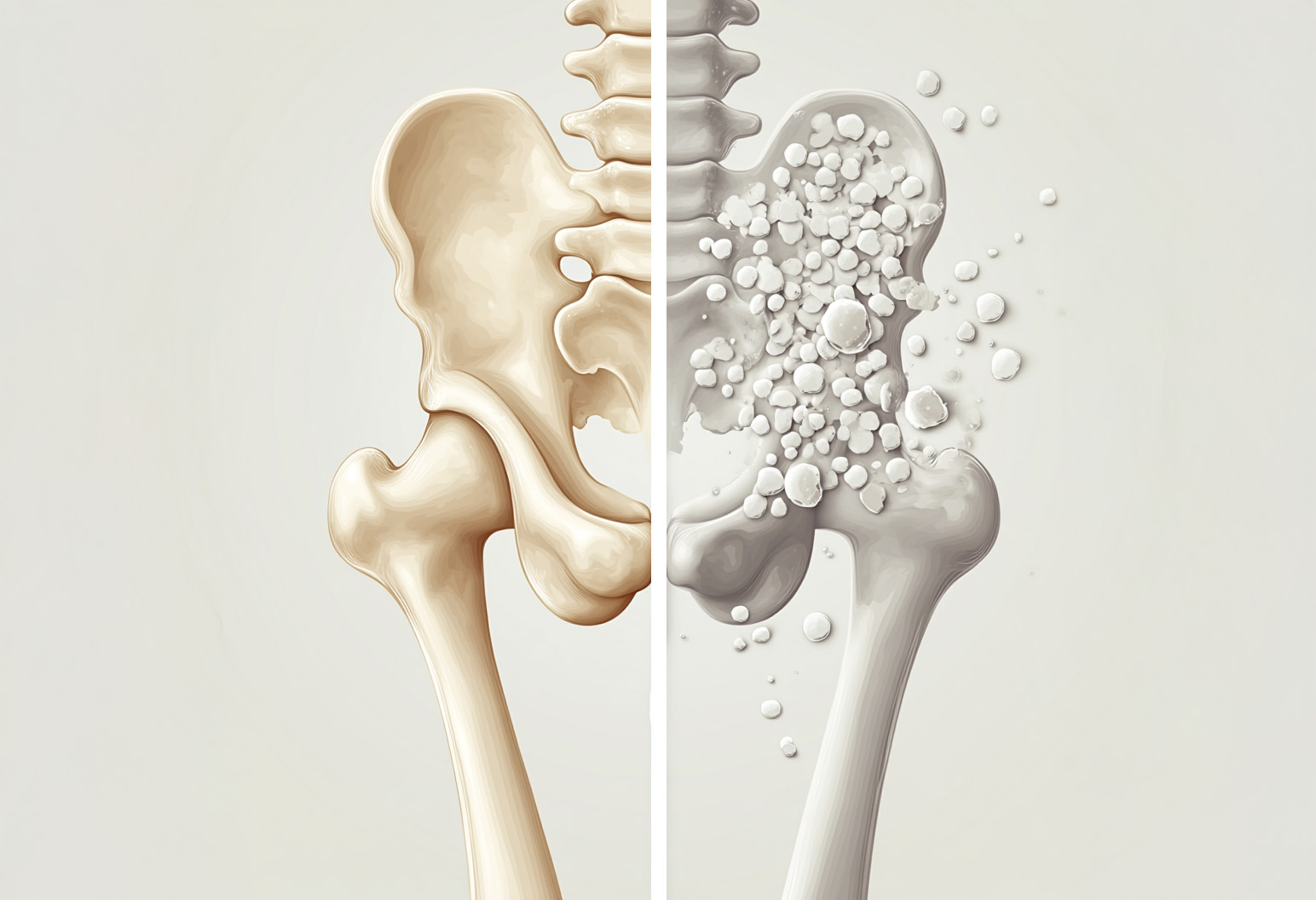
Osteoporosis develops when bones lose density and strength, making them more fragile and prone to fractures. As bone tissue breaks down faster than the body can replace it, bones gradually become weaker.
Often called a “silent disease,” osteoporosis typically develops without noticeable symptoms until a fracture occurs. Common fracture locations include the hip, spine, and wrist.
Osteoporosis affects both men and women, although the risk increases with age, particularly among women after menopause.
Early identification and appropriate treatment can help slow bone loss, reduce the risk of fractures, and protect your long-term bone health.
Early Identification
Assess bone strength and fracture risk
Personalized Care
Treatment plans tailored to your bone health needs
Fracture Prevention
Proactive strategies to help keep you active
Live Well Longer
Support mobility, strength, and independence
What Is Osteoporosis?
Osteoporosis develops when bones lose density and strength, making them more fragile and prone to fractures. As bone tissue breaks down faster than the body can replace it, bones gradually become weaker.
Often called a “silent disease,” osteoporosis typically develops without noticeable symptoms until a fracture occurs. Common fracture locations include the hip, spine, and wrist.
Osteoporosis affects both men and women, although the risk increases with age, particularly among women after menopause.
Early identification and appropriate treatment can help slow bone loss, reduce the risk of fractures, and protect your long-term bone health.

What Are the Signs and Symptoms of Osteoporosis?
Fractures from Minor Injuries
Breaking a bone after a low-impact fall or everyday activity.
Loss of Height
Gradual height loss caused by compression fractures in the spine.
Changes in Posture
Developing a stooped or hunched posture due to weakened vertebrae.
Back Pain
Persistent or sudden back pain resulting from a spinal compression fracture.
Reduced Mobility
Difficulty performing everyday activities following an osteoporosis-related fracture.
What Are the Signs and Symptoms of Osteoporosis?
Osteoporosis often develops without obvious warning signs. Many patients are unaware they have weakened bones until they experience a fracture.
Potential signs of osteoporosis include:
Fractures from Minor Injuries
Breaking a bone after a low-impact fall or everyday activity.
Loss of Height
Gradual height loss caused by compression fractures in the spine.
Changes in Posture
Developing a stooped or hunched posture due to weakened vertebrae.
Back Pain
Persistent or sudden back pain resulting from a spinal compression fracture.
Reduced Mobility
Difficulty performing everyday activities following an osteoporosis-related fracture.
Because osteoporosis may not cause symptoms in its early stages, bone density testing is an important part of identifying potential problems before a fracture occurs.
What Causes Osteoporosis?
Osteoporosis develops when the body loses bone faster than it can rebuild it. Several factors can increase your risk, including:
Age
Bone density naturally decreases as we get older.
Hormonal Changes
Declining estrogen after menopause and low testosterone levels can contribute to bone loss.
Family History
Having a parent or close relative with osteoporosis or a hip fracture.
Nutritional Deficiencies
Inadequate calcium, vitamin D, or other nutrients needed for healthy bones.
Medications
Long-term use of certain medications, including corticosteroids.
Lifestyle Factors
Physical inactivity, smoking, and excessive alcohol consumption.
Medical Conditions
Certain hormonal, gastrointestinal, and inflammatory conditions that affect bone metabolism.
What Causes Osteoporosis?
Osteoporosis develops when the body loses bone faster than it can rebuild it. Several factors can increase your risk, including:
- Age: Bone density naturally decreases as we get older.
-
Hormonal Changes: Declining estrogen after menopause and low testosterone levels can contribute to bone loss.
-
Family History: Having a parent or close relative with osteoporosis or a hip fracture.
-
Nutritional Deficiencies: Inadequate calcium, vitamin D, or other nutrients needed for healthy bones.
-
Medications: Long-term use of certain medications, including corticosteroids.
-
Lifestyle Factors: Physical inactivity, smoking, and excessive alcohol consumption.
-
Medical Conditions: Certain hormonal, gastrointestinal, and inflammatory conditions that affect bone metabolism.
Understanding your individual risk factors allows your provider to develop a more personalized approach to osteoporosis prevention and treatment.
How Is Osteoporosis Diagnosed?
At OrthoNC, osteoporosis evaluation begins with a comprehensive assessment of your medical history, fracture history, lifestyle, and individual risk factors.
Your provider may recommend bone density testing and laboratory studies to better understand your bone health and identify potential causes of bone loss.
Bone Density Testing
Bone density testing measures the amount of mineral in your bones and helps identify osteopenia (low bone density) and osteoporosis.
OrthoNC offers REMS (Radiofrequency Echographic Multi Spectrometry), an advanced, radiation-free ultrasound technology that evaluates bone mineral density at the spine and hip.
Laboratory Testing
Blood tests may also be recommended to evaluate factors contributing to bone loss, such as vitamin D deficiency, thyroid or parathyroid disorders, and other underlying medical conditions.
Together, these assessments help guide an individualized osteoporosis treatment plan.
Osteoporosis Treatment Options at OrthoNC
Osteoporosis treatment focuses on preserving bone strength, reducing fracture risk, and helping patients maintain mobility and independence.
At the OrthoNC Bone Health Clinic, treatment plans are tailored to each patient’s bone density, medical history, fracture risk, and overall health.
Treatment options may include:
- Medication Management
- Nutrition & Supplementation
- Strength, Balance, & Exercise
- Lifestyle Modifications
- Ongoing Bone Health Monitoring
How Is Osteoporosis Diagnosed?
Bone Density Testing
Bone density testing measures the amount of mineral in your bones and helps identify osteopenia (low bone density) and osteoporosis.
OrthoNC offers REMS (Radiofrequency Echographic Multi Spectrometry) and advanced, radiation-free ultrasound technology that evaluates bone mineral density at the spine and hip.
Laboratory Testing
Blood tests may also be recommended to evaluate factors contributing to bone loss, such as vitamin D deficiency, thyroid or parathyroid disorders, and other underlying medical conditions.
Together, these assessments help guide an individualized osteoporosis treatment plan.
Osteoporosis Treatment Options at OrthoNC
Osteoporosis treatment focuses on preserving bone strength, reducing fracture risk, and helping patients maintain mobility and independence.
At the OrthoNC Bone Health Clinic, treatment plans are tailored to each patient’s bone density, medical history, fracture risk, and overall health. Treatment options may include:
- Medication Management
- Nutrition & Supplementation
- Strength, Balance, & Exercise
- Lifestyle Modifications
- Ongoing Bone Health Monitoring
Contact
Contact Hours: 7am – 8pm
Phone: 919-562-9410
Fax: 919-562-9425
Office: 8am – 5pm Mon – Fri
Injury Express: 8am – 8pm every day
Contact
Contact Hours: 7am – 8pm
Office: 8am – 5pm Mon – Fri
Injury Express: 8am – 8pm every day
Phone: 919-562-9410
Download the App


Website Design & Development by Seven Ages Design